
Roofing Tear-Off Dumpster Guide for Chicago Homes
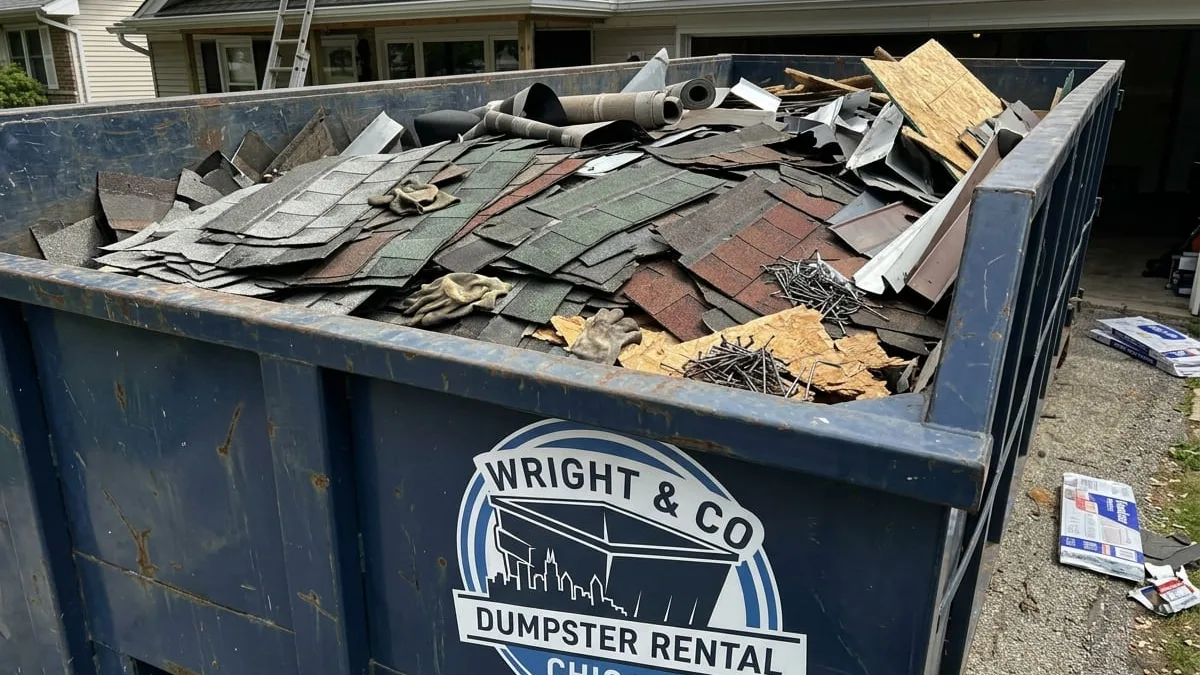
Shingles are heavier than they look, and Chicago roofs often carry more than one layer. Here's how to size the dumpster correctly and time the job.
Chicago dumpster guide
Clearing out a family home is rarely just a logistics project. This checklist is built to make the practical side easier so you can focus on everything else.

An estate cleanout usually happens at one of the harder moments in a family's life — after losing a parent, closing out a long-term care situation, or preparing a family home for sale after decades of one household's belongings have settled into it. There's no version of this that isn't emotional, and our aim with this checklist is to make the practical, logistical side of it as simple as possible, so that part of the process takes less out of you.
If the home is part of a probate proceeding, it's worth confirming with the estate's attorney or executor what, if anything, needs to happen before belongings can be moved or disposed of. Some estates require an inventory or appraisal before items leave the property, particularly if there are multiple heirs or the estate's value is being formally assessed. Once that's cleared, there's no requirement to rush — but most families find that setting a rough timeline, even a loose one, helps the process actually move rather than stall indefinitely under the weight of the decision-making involved. A dumpster rental with a defined pickup date can actually help here, giving the process a natural endpoint to work toward.
Most estate cleanouts go faster with a simple sorting system worked through room by room rather than trying to make every decision on every item at once. A workable four-category approach: items family members want to keep; items with resale or donation value (furniture in good condition, working appliances, tools, dishware); items to donate outright even without resale value (clothing, books, linens); and everything else, which is what goes in the dumpster. Doing a first pass focused only on sorting — without stopping to make final decisions on borderline items — tends to be less draining than trying to fully resolve every object's fate as you go.
By the time a family home has been sorted, the disposal pile is usually larger than people expect: furniture that's worn out or not worth moving, mattresses and box springs, old carpet and padding, damaged or outdated items, expired household goods, and simply the volume of paper, boxes and miscellaneous items that accumulate in a home over many years. Basements, attics and garages in particular tend to hold decades of items that haven't been touched in years and are usually the fastest sections to clear once the decision is made to let them go.
A few categories in a typical estate deserve a slower pass rather than going straight to the dumpster pile. Electronics — old TVs, computers, stereo equipment — fall under Illinois's e-waste recycling law and need to go to a certified recycler rather than the trash stream. Medications should be disposed of through a pharmacy take-back program, never in general trash. Financial documents and anything with personal identifying information are worth shredding rather than tossing intact. And older homes sometimes turn up chemicals, old paint cans, or other household hazardous material tucked in a basement or garage corner that's been undisturbed for years — these need hazardous waste handling, not a dumpster. Our guide to what can and can't go in a dumpster covers the full list.
For a full single-family home cleanout, a 20 to 30 yard dumpster is the common range depending on how much is being kept versus removed — our sizing guide has more detail if you want to think it through further. If the home has a driveway or yard area, placement there means no permit is needed. Alley-loaded homes — common across the bungalow-belt neighborhoods we serve — sometimes need the container to sit fully within the lot line rather than in the alley itself to avoid needing a city permit; we'll help you sort out the right spot when we schedule delivery. See our dedicated estate cleanout service page for more on how we support this kind of project specifically.
Families who've been through this tell us it helps to start in the lowest-emotional-weight spaces first — a garage, a basement, a linen closet — before moving into bedrooms and personal spaces where decisions are harder and slower. Save the most personal rooms for when you have the most time and the least pressure, and don't feel obligated to finish in one visit. Booking the dumpster for a slightly longer window than you think you'll need, rather than the tightest possible timeline, tends to remove one layer of pressure from an already heavy process.
Estate cleanouts often involve siblings or extended family with different opinions about what stays, what goes, and what a particular item is worth — emotionally or otherwise. It can help to agree on a general approach before anyone starts pulling things off shelves: a rough deadline for decisions, an understanding that not every disagreement needs to be resolved in one conversation, and permission for anyone involved to step away from a task that's become too difficult that day. There's no need to make every decision as a group; splitting into who's handling which room, with a check-in rather than a joint decision on every object, tends to keep the process moving without adding unnecessary friction to an already difficult time.
Once the disposal pile has been hauled away, most families still have a donation drop-off, a resale or consignment process, and final cleaning ahead of listing or closing out the property. None of that needs to happen on the same timeline as the dumpster rental — it's fine to handle disposal first and work through donation and sale items afterward at whatever pace makes sense. If you find yourself needing a second, smaller round of disposal after the main cleanout — which is common once a house is fully empty and small things turn up in corners and closets that were missed the first time — we're glad to help with that too.
FAQs
It depends on the estate. Some probate processes require an inventory or appraisal before items are removed, especially with multiple heirs. Check with the estate's attorney or executor before starting removal if there's any uncertainty.
Most single-family estate cleanouts fall in the 20 to 30 yard range, depending on how much is being kept, donated, or sold versus disposed of. A smaller home or one that's already partly cleared may only need 15 yard.
No. Illinois state law requires TVs, computer monitors and several other electronics to go to a certified recycler rather than general disposal, regardless of where in the state you are.
Set them aside for household hazardous waste disposal rather than putting them in the dumpster. These items are common finds in homes that have been lived in for decades and shouldn't go in with general debris.
Standard rentals include a set number of days, and extensions are available by the day if you need more time. It's worth booking a slightly longer initial window for an estate cleanout, since the pace of this kind of project is hard to predict.
Ready when you are
Call and you will speak to someone local who knows the streets, the alleys, the permit rules and which box actually fits your lot. Flat rate quoted up front.
Keep reading

Shingles are heavier than they look, and Chicago roofs often carry more than one layer. Here's how to size the dumpster correctly and time the job.
From spring hail and wind to genuine winter cold, Chicago's weather shapes storm cleanup timing more than people expect. Here's what to plan for.

A dumpster in winter isn't complicated, but a few extra steps protect your property and keep delivery smooth when the ground is frozen or snow-covered.